The Pineal Gland, Melatonin and Your Nightly Rhythm
The pineal gland is a small, pine-cone-shaped structure tucked deep in the center of the brain. It's tiny, about the size of a grain of rice to a pea, but it has an outsized job. It helps your body know what time it is. Here's what science says about the gland, melatonin and the routines that keep your nightly rhythm on track.
What is the pineal gland?
The pineal gland is part of the endocrine system, the network of glands that release hormones. According to the NIH StatPearls chapter Physiology, Pineal Gland, its best-understood role is producing melatonin and helping regulate the circadian, or roughly 24-hour, sleep–wake cycle.
Melatonin: your body's night signal
Melatonin levels rise in the evening, peak during the night and fall toward morning. That rise is one of the signals that tells the rest of the body it's time to wind down. The body builds melatonin step by step from tryptophan, an amino acid you get from food. Tryptophan becomes serotonin, and serotonin becomes melatonin.
Melatonin is also sold as a supplement. NCCIH's fact sheet Melatonin: What You Need To Know reviews where it has been studied and its safety considerations.
Light is the master switch
The single biggest influence on melatonin is light. Information about light travels from the eyes to the brain's internal clock, which in turn signals the pineal gland. Darkness encourages melatonin release. Bright light, especially in the evening, suppresses it. That's why late-night screens and bright overhead lights can make it harder to feel sleepy.
What about pineal calcification?
The pineal gland commonly accumulates calcium deposits with age. They often show up on imaging scans, and the StatPearls review discusses calcification as a known feature of the gland. You'll see many products claim to "decalcify" or "detox" the pineal gland. There's no good human evidence that any supplement does this, and we don't make that claim for any product.
Where Pineal Guardian X fits
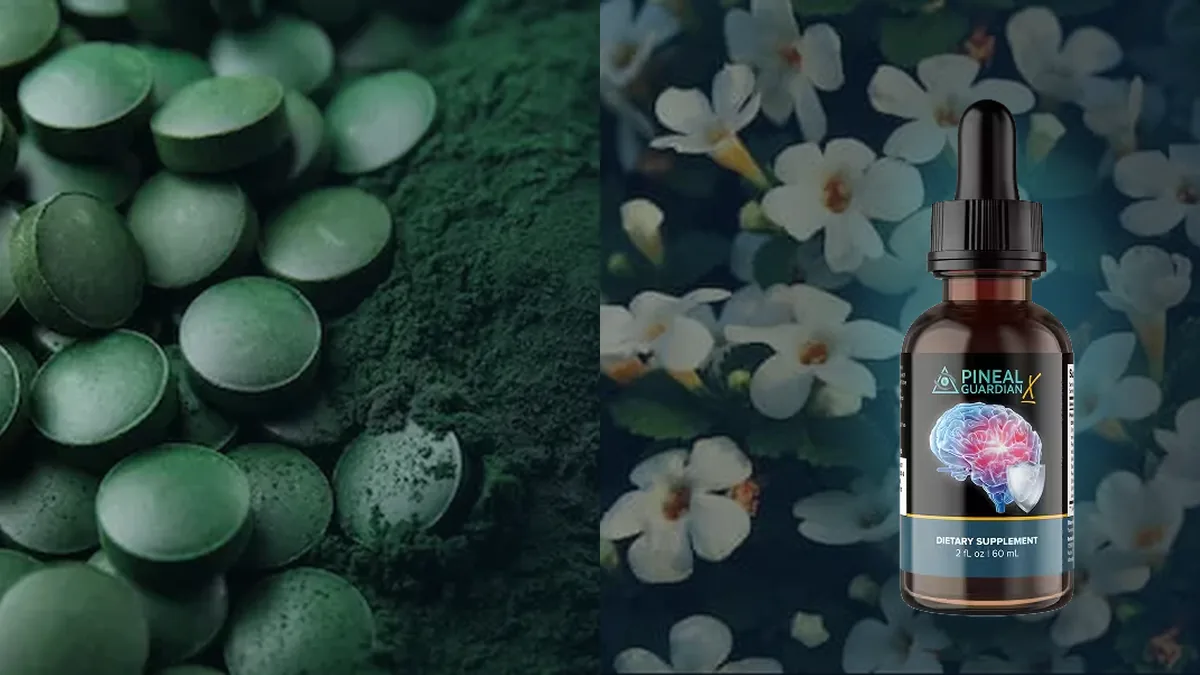
Pineal Guardian X is a liquid botanical formula built around the pineal gland as a theme. It doesn't contain melatonin. Instead, it takes a nutritional approach: spirulina provides tryptophan, moringa and chlorella add nutrient-dense greens, and brain-focused botanicals such as bacopa, ginkgo and lion's mane round out the blend.* Learn more on the Sleep & Pineal Rhythm focus page.
A simple evening routine
- Morning light: get outside within an hour of waking, even on cloudy days.
- Caffeine cut-off: keep caffeine to the morning and early afternoon.
- Dim the house: lower lights and screen brightness 1–2 hours before bed.
- Same bedtime: keep it consistent, weekends included.
- Cool, dark room: blackout curtains and a cool temperature help.
If you have ongoing trouble sleeping, talk with your doctor. Persistent sleep problems can have medical causes that deserve proper care.
Curious about Pineal Guardian X? See the product overview, read the FAQ or compare packages.
*These statements have not been evaluated by the Food and Drug Administration. This product is not intended to diagnose, treat, cure, or prevent any disease.