8 Daily Habits That Support a Sharper Memory
There's no single trick for a better memory, but a handful of everyday habits make a real difference. The National Institute on Aging's guide Cognitive Health and Older Adults highlights many of them. Here's a practical version you can start this week.
1. Protect your sleep
Sleep is when the brain consolidates the day's memories. Aim for a consistent bedtime and wake time, and get daylight in the morning. Read more in The Pineal Gland, Melatonin and Your Nightly Rhythm.
2. Walk most days
Regular physical activity supports heart health and healthy blood flow, including to the brain. A brisk 20–30 minute walk is a great starting point.
3. Eat a plant-rich plate
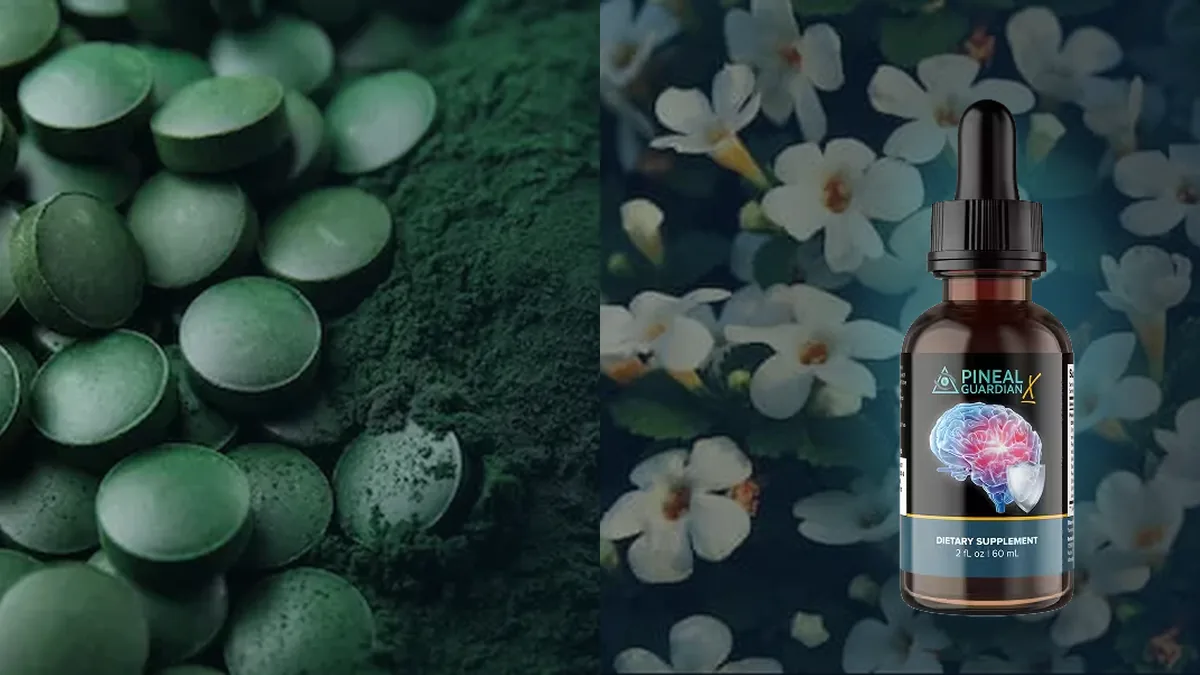
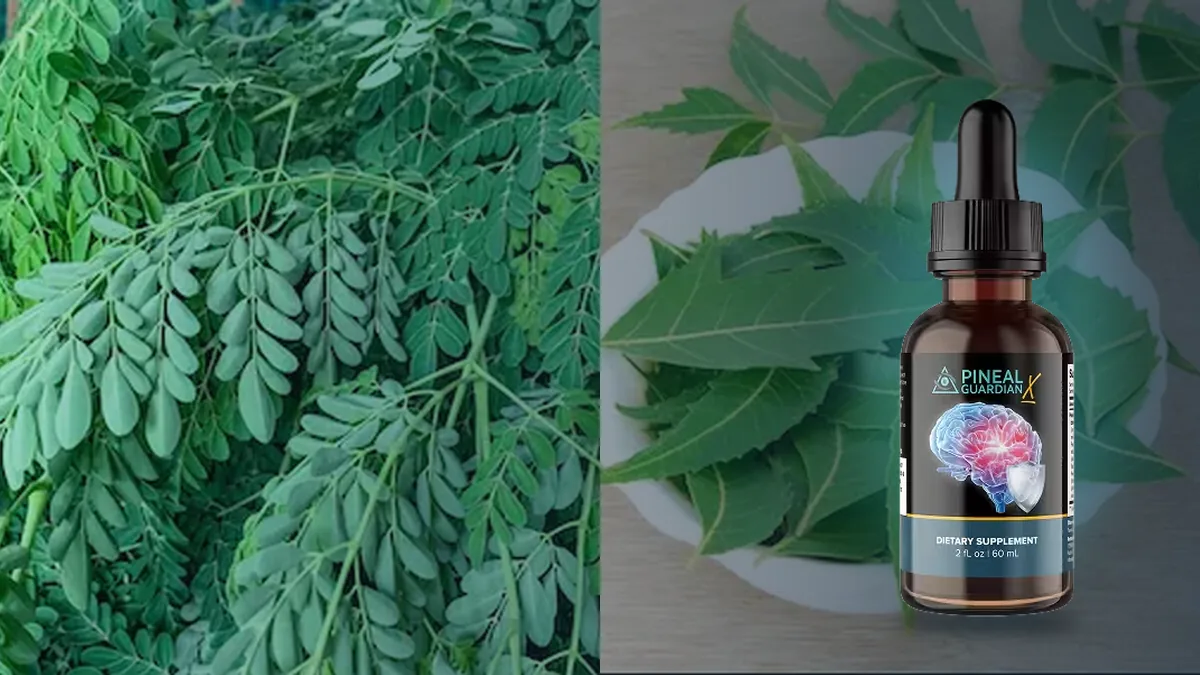
Leafy greens, berries, beans, nuts and whole grains supply fiber and polyphenols. Many of the botanicals in Pineal Guardian X, like moringa and spirulina, are themselves nutrient-dense greens.
4. Keep learning
Learning a language, an instrument or a new hobby challenges the brain in ways routine tasks don't.
5. Stay social
Conversation is a workout for memory and attention. Schedule regular time with friends and family, or join a group or class.
6. Manage your numbers
Blood pressure, blood sugar and cholesterol all affect brain health over time. Keep up with checkups and follow your doctor's plan.
7. Use memory systems
Put keys in the same place every day, keep a short daily list and use phone reminders. Systems free up mental energy for what matters.
8. Be consistent with your routine
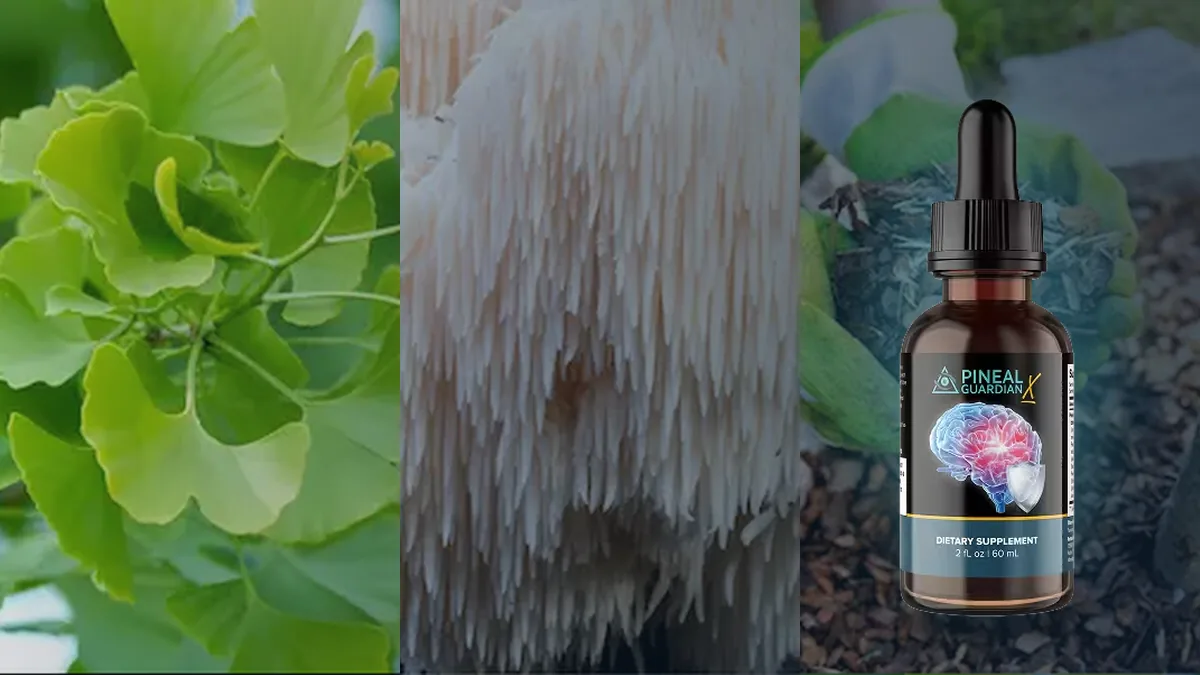
Habits work through repetition, and so do supplements. If you choose to add a botanical formula like Pineal Guardian X, take it at the same time each day and give it at least the 30 days the seller recommends. Remember that it supports these habits rather than replacing them.* See the Memory & Recall focus area for the ingredients involved.
Curious about Pineal Guardian X? See the product overview, read the FAQ or compare packages.
*These statements have not been evaluated by the Food and Drug Administration. This product is not intended to diagnose, treat, cure, or prevent any disease.